
Pricing · CAD
Typical price range
Chimney Animal & Nest Removal
$180 - $420
Nest size, animal type, flue access and whether a cap is needed afterwards.
Every home is different, so access, condition, materials and the agreed work set the final price.
Browse the cost guideLooking for chimney animal & nest removal in Bond Head, Bradford? Share the property address, access arrangements and symptoms to confirm availability. This guide explains the service; the condition of your own home needs an individual assessment.
Signs that deserve attention
Scratching or chirping sounds, a sudden smell, debris falling onto the damper or smoke that no longer clears properly can all point to nesting material. Do not light a fire to drive an animal out; trapped smoke and a blocked flue create real risk. Keep the damper and glass doors closed so nothing enters the living space while you arrange help.
What an assessment should establish
The visit should confirm whether any animal is still present, how much material is in the flue and whether the damper, liner or cap were damaged. Live wildlife may require a licensed wildlife removal provider before cleaning can start, so describe recent activity honestly. Ask how the debris will be removed and how the room will be protected.
Choosing the appropriate next step
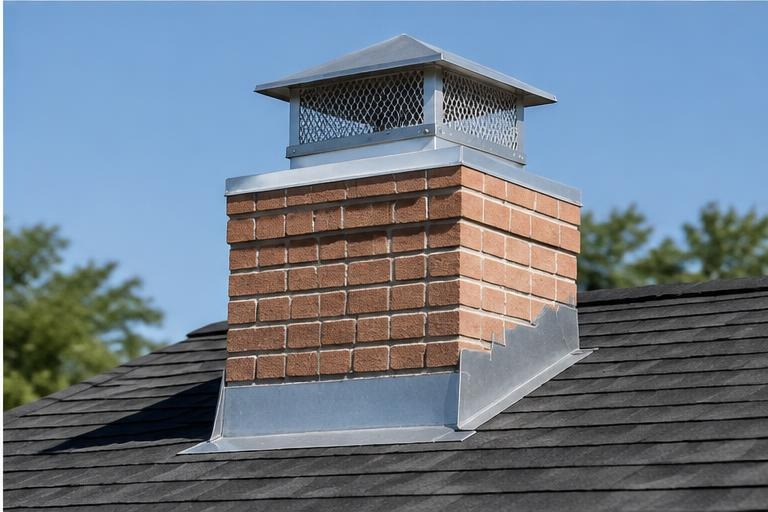
Once the flue is clear, a properly sized cap with mesh is usually the simplest way to stop the problem coming back. Nesting material can leave droppings and deposits, so a sweep or inspection may be sensible before the fireplace is used again. Ask for the findings in writing so you know what was cleared and what is recommended.
What affects the quote?
The cost of chimney animal & nest removal depends on the actual work, not just the service label. Access height, equipment layout, the condition of surrounding materials and replacement parts can change the proposal. Ask which tasks are included, which are excluded and whether an assessment is needed . A photograph is useful background but cannot reveal every concealed defect.
Compare quotes on equivalent scope rather than a single headline figure. Clarify any diagnostic charge, disposal arrangement, associated finishing work and the process for additional findings. Every home and installation is different, so the final figure is set with your project in mind.
Preparing for a service conversation
Start with your address and a short account of what changed. Note when the issue began, whether it is constant or weather related, and any previous attempts to resolve it. For equipment, provide the manufacturer, model and displayed fault code if accessible. For exterior concerns, ground-level photos can show the reported area without requiring you to climb.
Explain access limitations before a visit is arranged: parking, a shared driveway, locked gates, a finished enclosure or a narrow working space can matter. Keep pets away from the proposed work area and collect relevant manuals or past reports. Do not dismantle equipment or expose yourself to a suspected hazard to obtain better photographs.
Planning service in Toronto and nearby communities
ComfortEdge Services lists service information for Toronto and surrounding communities. Availability must be confirmed for your exact address and the requested work. A location page is a starting point for that conversation, not a claim that every property has the same equipment or that a visit can happen immediately.
Tell us whether the property is detached, attached or part of a shared building, and whether permission or coordinated access is needed. Weather and site conditions can influence exterior work. Equipment-specific parts can influence a repair plan. Confirm the practical arrangements before booking rather than relying on a general regional description.
Clear scope before you decide
A useful service proposal connects the observed problem to the recommended work. Ask what the assessment established, what remains uncertain and how the planned task addresses the concern. Keep a copy of the scope and any equipment documentation. Confirm which parts and labour have written coverage and any exclusions that apply. Resolve outstanding questions before approving work, especially when recommendations involve concealed components or additional investigation.
Do not interpret a general maintenance guide as an on-site diagnosis. If there is a gas smell, smoke, a carbon monoxide alarm or another immediate hazard, leave the affected area and seek the appropriate emergency assistance. Routine quote preparation comes after safety, not instead of it.
Can I use my fireplace while something is nesting in the chimney?
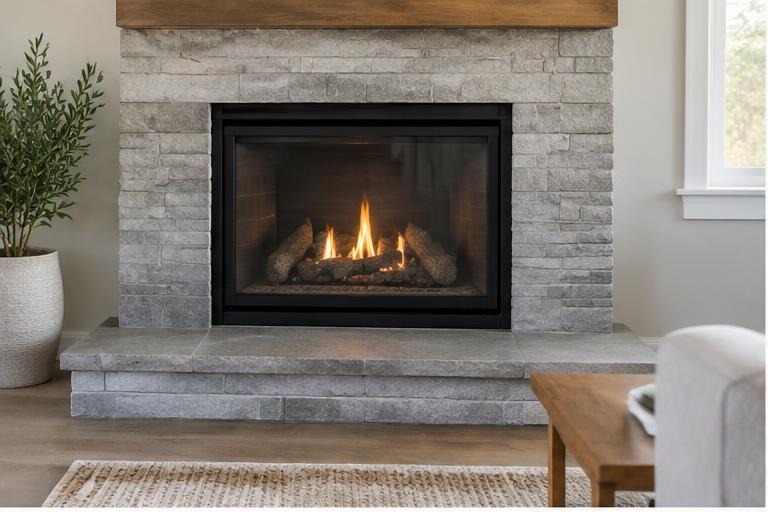
No. A nest can block the exhaust path and push smoke or combustion gases back into the home. Keep the fireplace off and the damper closed until the flue has been cleared and checked.
Discuss your chimney animal & nest removal project
Call with your location and the problem you want to resolve. Confirm the scope, availability and quote before arranging work.
Call (437) 475-2233